Virtual Reality

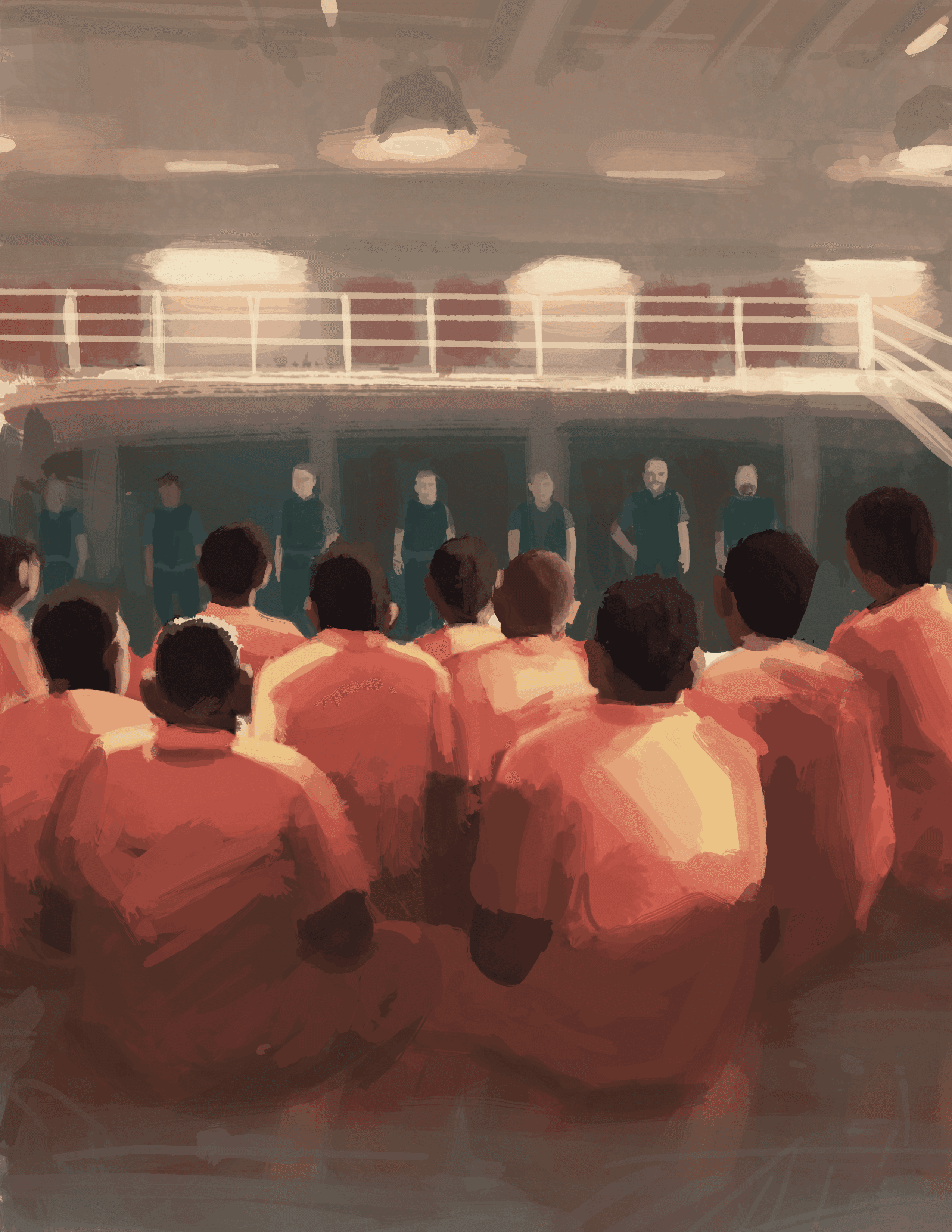
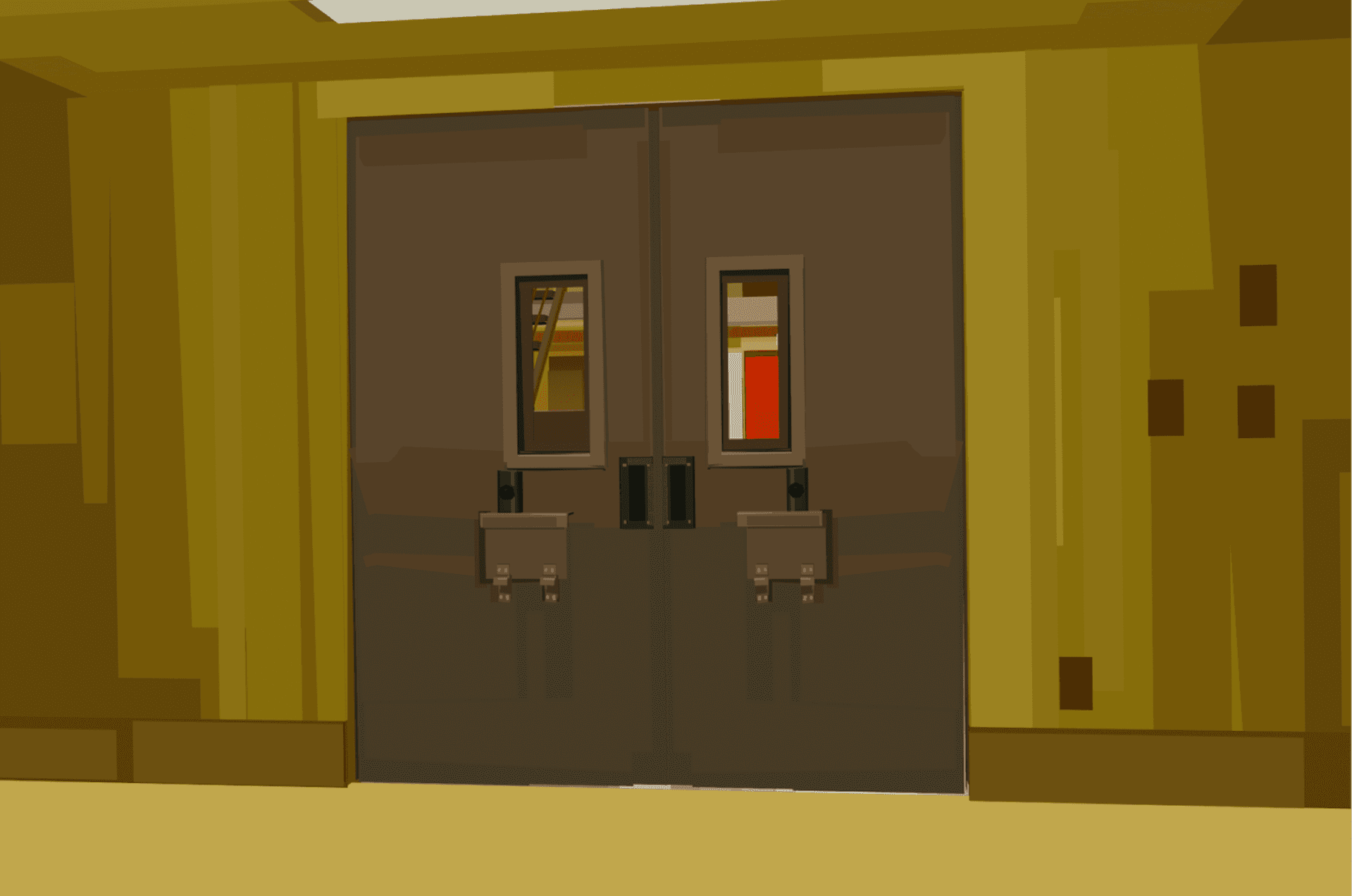
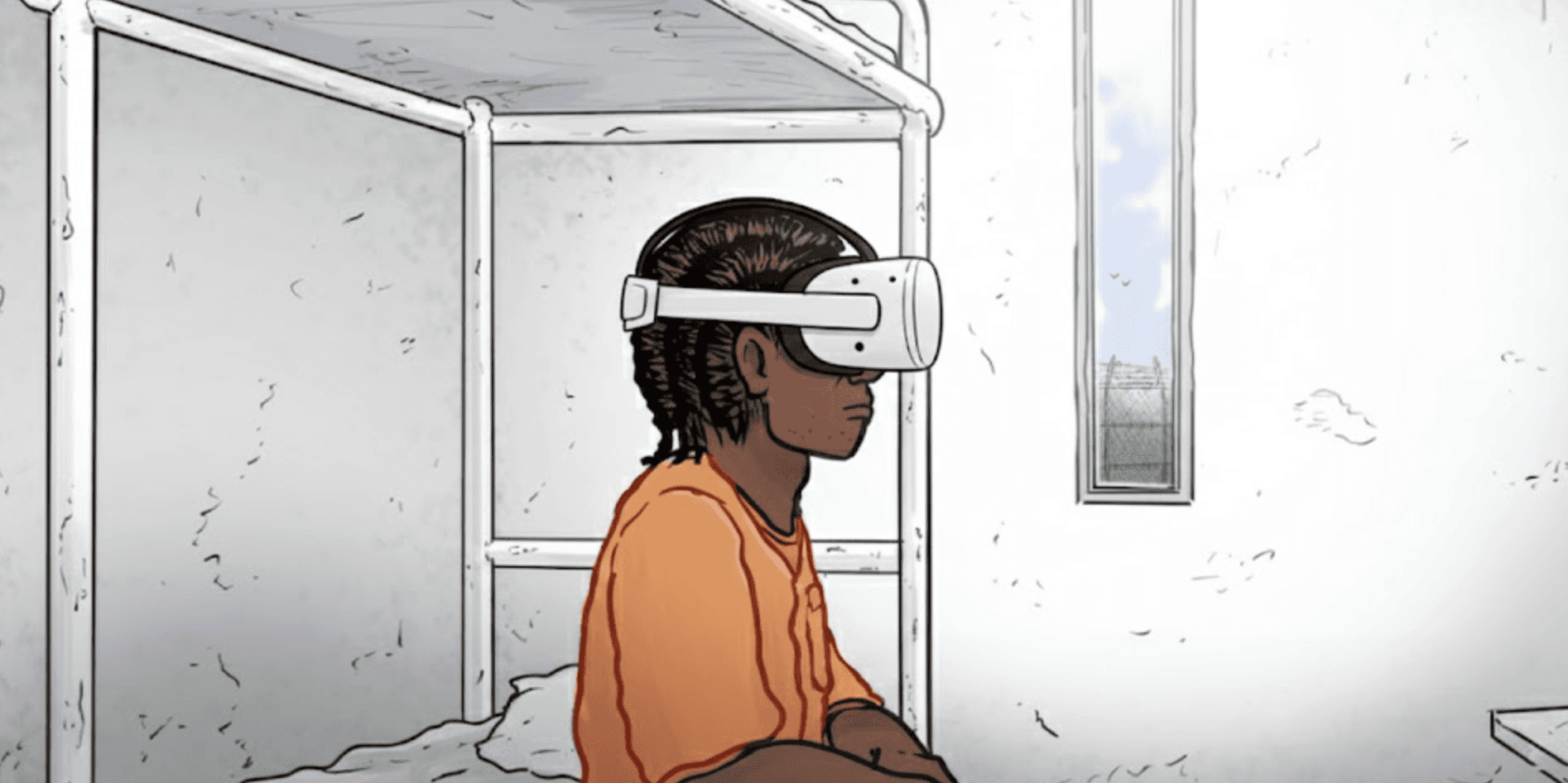
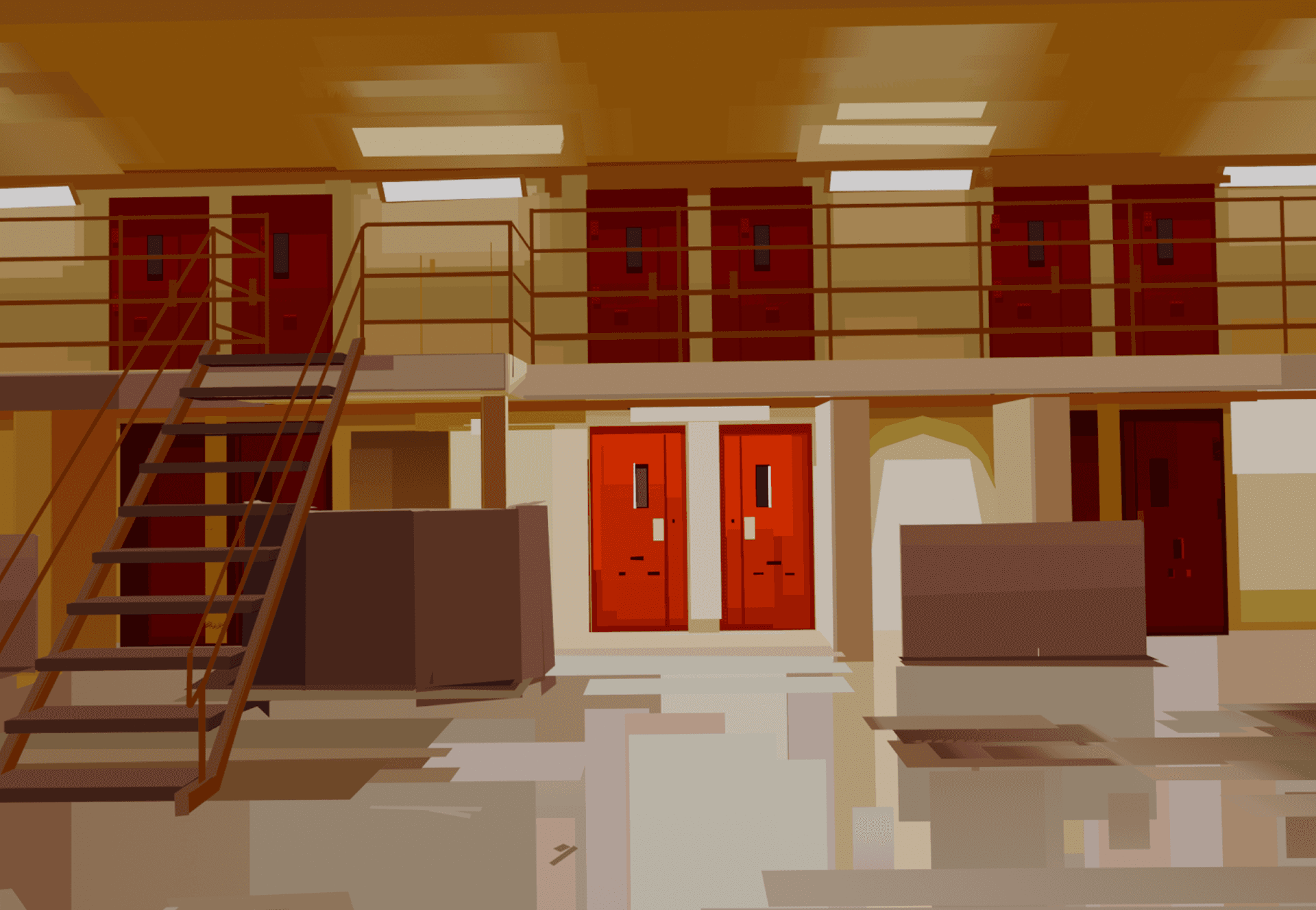
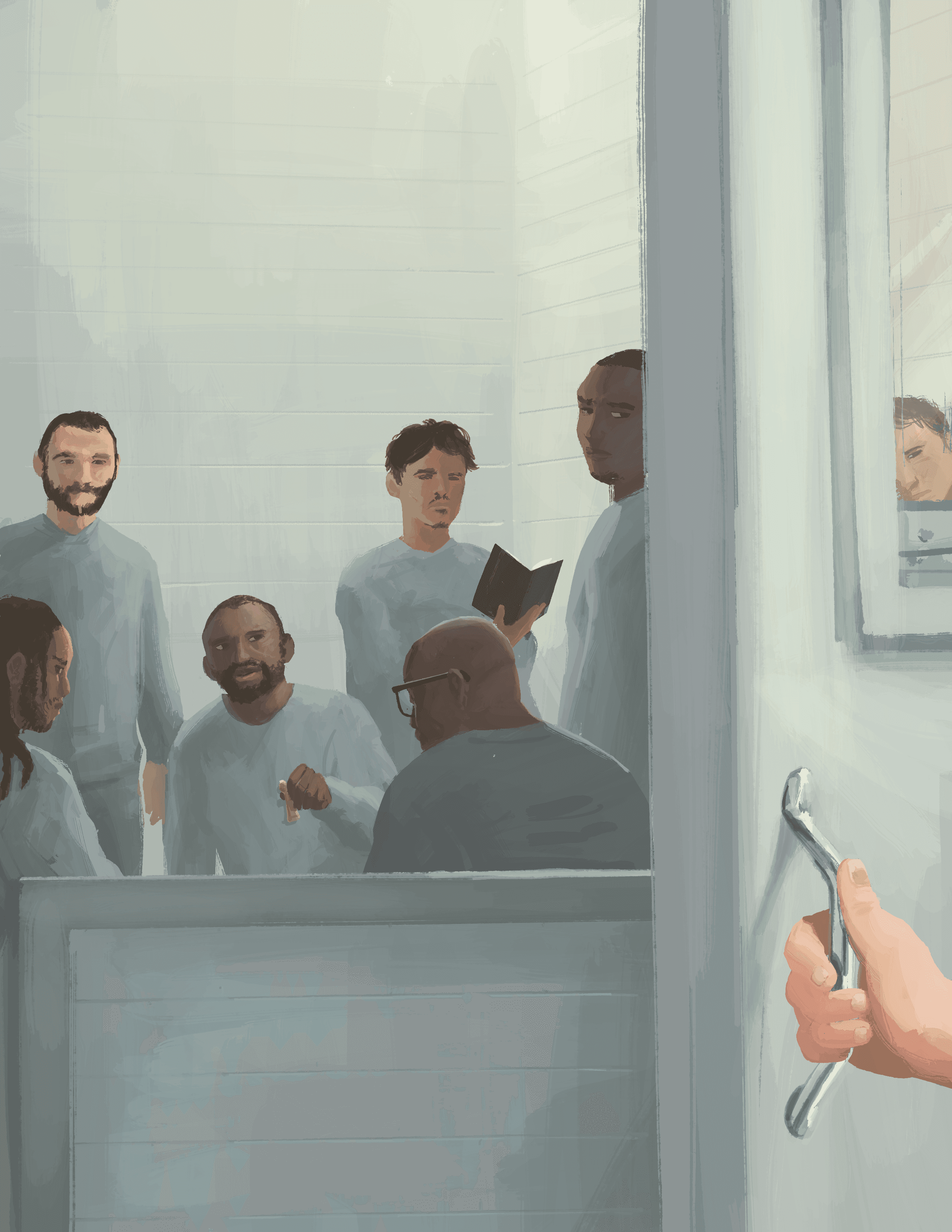
Virtual reality offers a powerful vehicle for better understanding lived experiences of immigration detention. Developed through co-participatory methods, the Detention Stories Virtual Reality represents real stories as experienced and narrated by those who have lived it. By centring first-person narration and perspective, virtual reality allows audiences to engage with the spatial, emotional, and temporal realities of detention in immersive ways.
Card 1
Card 2
Card 3
Card 4
Card 5
Card 1
Card 2
Card 3
Card 4
Card 5

Virtual reality offers a powerful vehicle for better understanding lived experiences of immigration detention. Developed through co-participatory methods, the Detention Stories Virtual Reality represents real stories as experienced and narrated by those who have lived it. By centring first-person narration and perspective, virtual reality allows audiences to engage with the spatial, emotional, and temporal realities of detention in immersive ways.
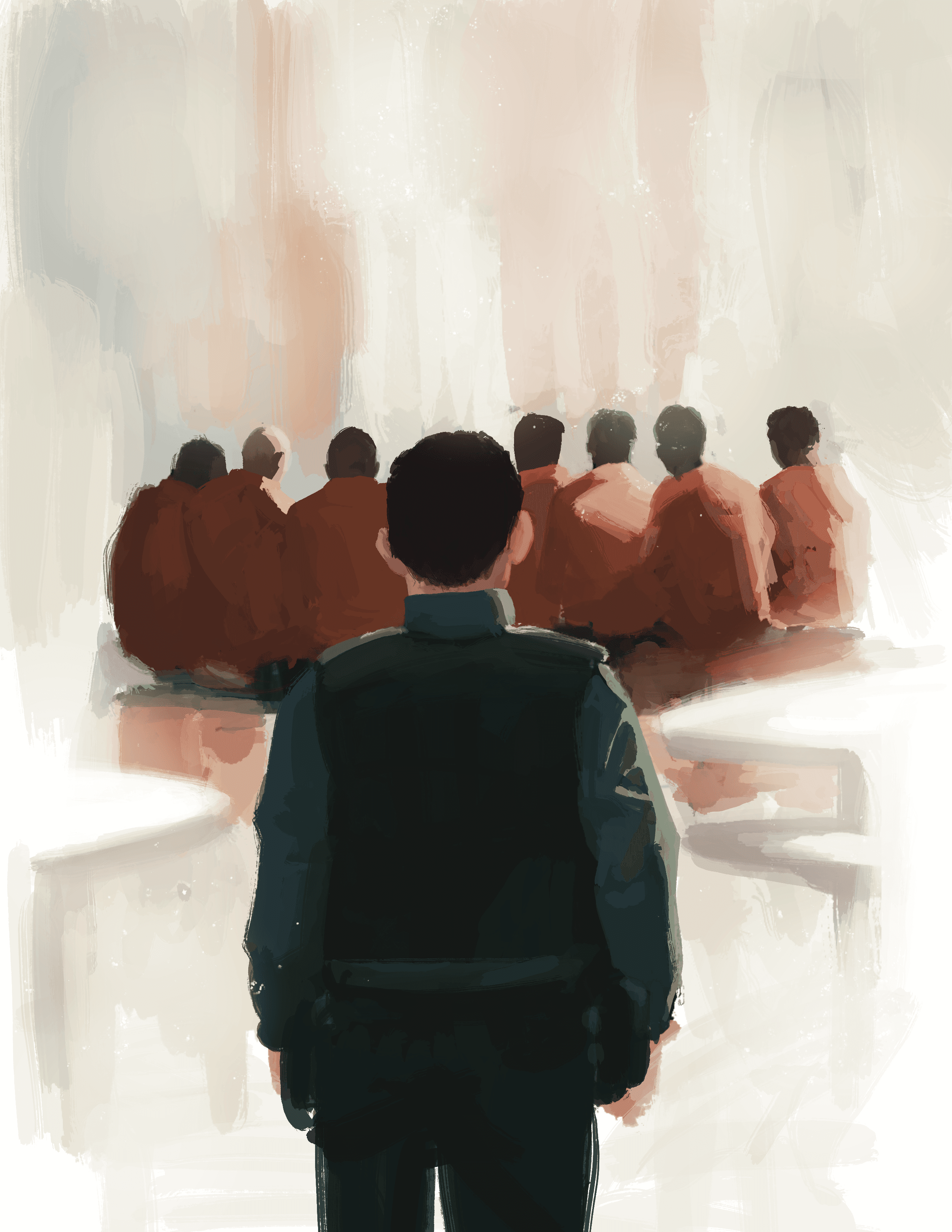
Virtual reality offers a powerful vehicle for better understanding lived experiences of immigration detention. Developed through co-participatory methods, the Detention Stories Virtual Reality represents real stories as experienced and narrated by those who have lived it. By centring first-person narration and perspective, virtual reality allows audiences to engage with the spatial, emotional, and temporal realities of detention in immersive ways.
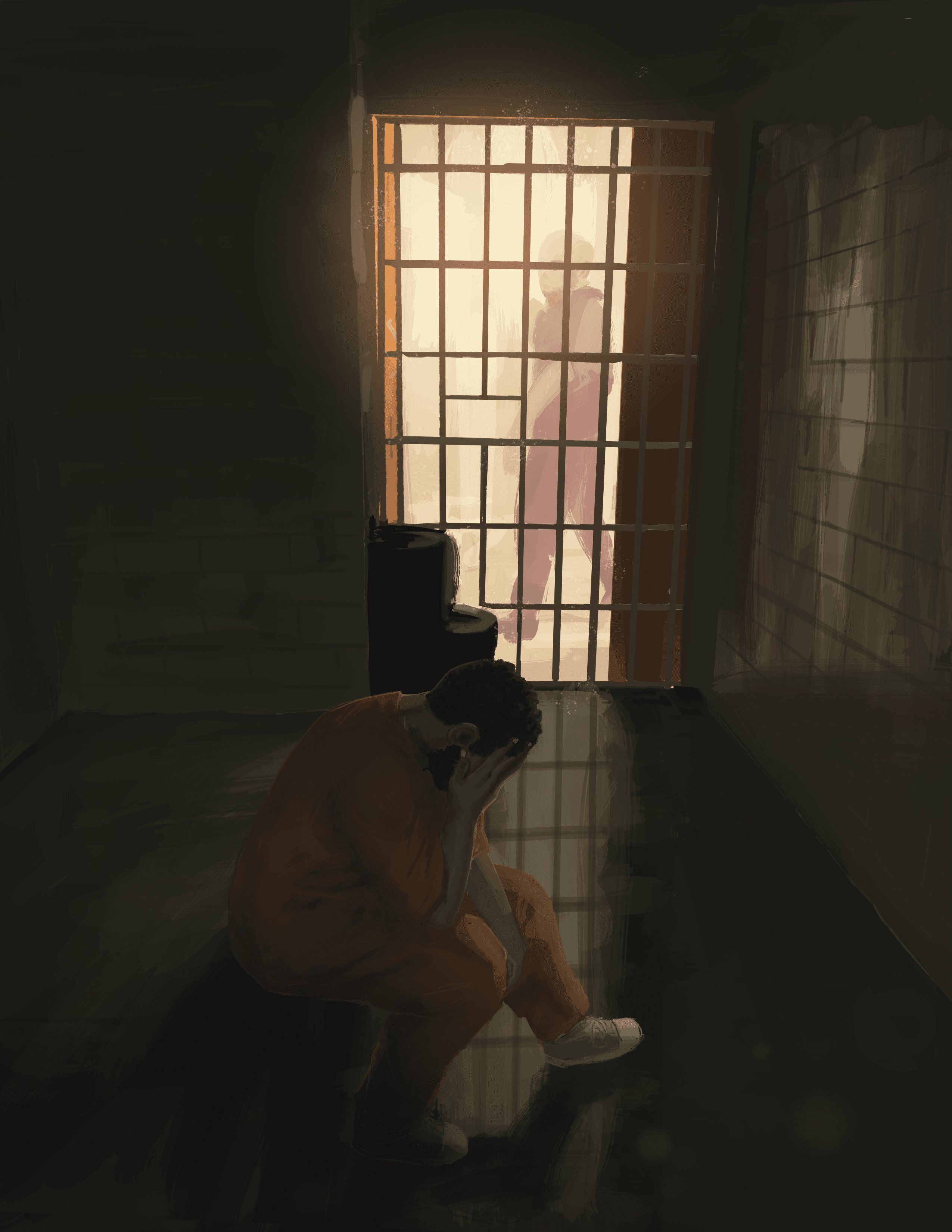
This project was generously funded by:

The Killam Accelerator Research Fellowship,

The Social Sciences and Humanities Research Council of Canada,

The Law Foundation of British Columbia. 


“This work was carried out on the unceded territories of First Nations, Metis, and Inuit nations. In conducting this work, we acknowledge the constitutive role of settler colonialism in shaping and legitimizing Canada’s immigration detention system, as well as the global structures and systems that continue to oppress and displace people world-wide, which are deeply connected to the same colonial structures that oppress Indigenous people on Turtle Island.”

Detention Stories

© 2026 Detention Stories

This project was generously funded by:

The Killam Accelerator Research Fellowship,

The Social Sciences and Humanities Research Council of Canada,

The Law Foundation of British Columbia. 


“This work was carried out on the unceded territories of First Nations, Metis, and Inuit nations. In conducting this work, we acknowledge the constitutive role of settler colonialism in shaping and legitimizing Canada’s immigration detention system, as well as the global structures and systems that continue to oppress and displace people world-wide, which are deeply connected to the same colonial structures that oppress Indigenous people on Turtle Island.”

Detention Stories

© 2026 Detention Stories